cadet field manual
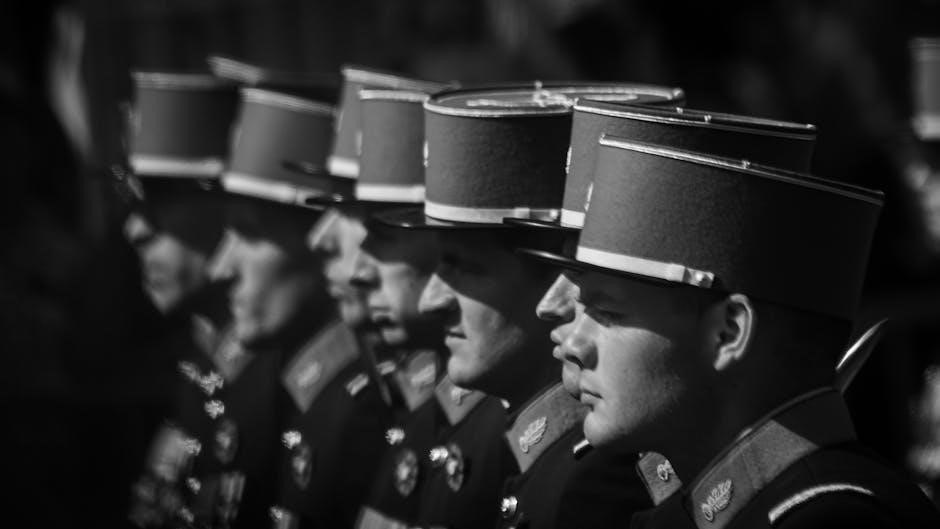
This manual serves as a vital resource for every NJROTC cadet, guiding them in service to their unit, school, community, the Navy, and nation.
Careful study of this 11th edition, revised in 2018, is essential, with any questions directed through the Curriculum Advisory Board Representative.
The latest revision, NAVEDTRA 3712.3B, alongside the 2024 Cadet Reference Manual, ensures cadets have current and comprehensive guidance for success.
A. Purpose and Scope
The primary purpose of the NJROTC Cadet Field Manual is to establish a standardized set of procedures and expectations for all cadets participating in the Navy Junior Reserve Officers’ Training Corps program. This manual serves as a foundational guide, ensuring consistency in training, conduct, and performance across all NJROTC units nationwide.
Its scope encompasses a broad range of topics crucial to cadet development, including uniform and appearance standards, drill and ceremonies, leadership principles, seamanship fundamentals, first aid, and ethical conduct. The manual aims to instill in cadets a sense of discipline, teamwork, and personal responsibility, preparing them for future leadership roles.
Furthermore, it outlines the cadet’s responsibilities to their unit, school, community, the Navy, and the country, fostering a commitment to service and citizenship. The manual’s comprehensive nature ensures cadets are well-prepared to represent the NJROTC with pride and professionalism.
B. Historical Context of NJROTC
The Navy Junior Reserve Officers’ Training Corps (NJROTC) originated from the Naval Act of 1916, establishing a program to introduce naval science in public high schools. Initially conceived to broaden naval awareness, it evolved post-World War II into a formalized cadet program.
Early iterations focused on preparing young men for potential naval service, though the program’s scope broadened over time to emphasize citizenship and leadership development for all cadets, regardless of military aspirations. The program experienced periods of expansion and contraction, adapting to national priorities and budgetary constraints.
Today, NJROTC continues to play a vital role in fostering future leaders, instilling core values of honor, courage, and commitment, and providing cadets with valuable life skills. The Cadet Field Manual reflects this historical evolution, building upon decades of tradition and experience.
C. Manual Revisions and Updates (NAVEDTRA 3712.3B, 2018 & 2024)
The NJROTC Cadet Field Manual, designated NAVEDTRA 3712.3B, undergoes periodic revisions to remain current with evolving naval practices, educational standards, and cadet needs. The 11th edition, revised in 2018, represented a significant update, incorporating feedback from instructors and cadets nationwide.
Subsequent updates, including the 2024 Cadet Reference Manual, address emerging topics and refine existing content to enhance clarity and relevance. These revisions ensure the manual accurately reflects the program’s objectives and provides cadets with the most up-to-date information;
Changes are communicated through the Curriculum Advisory Board Representative, emphasizing the importance of careful reading and adherence to the latest published guidelines. Staying informed about these updates is crucial for both cadets and instructors.

II. Uniform and Appearance Standards
Proper uniform wear, including caps worn squarely and well-shined shoes, is paramount; exposed items like cell phones and jewelry are prohibited at all times.
A. Proper Wear of the NJROTC Uniform
Maintaining a professional appearance through correct uniform wear reflects positively on the cadet, the NJROTC unit, and the Naval Service. Attention to detail is crucial, encompassing every aspect of the uniform, from proper fit to immaculate condition. Cadets are expected to understand and adhere to all regulations regarding uniform components and their arrangement.
The uniform isn’t merely clothing; it symbolizes dedication, discipline, and a commitment to the core values of Honor, Courage, and Commitment. Each item must be clean, pressed, and worn according to established standards. Improperly worn uniforms detract from the unit’s overall image and demonstrate a lack of respect for the program and the Navy. Consistent adherence to these standards builds pride and fosters a sense of unity among cadets.
B. Headgear Regulations (Caps, Combinations)
Proper wear of headgear is paramount to maintaining a sharp and professional appearance within the NJROTC unit. Regulations dictate that caps must be worn squarely on the head, ensuring the bottom edge remains consistently horizontal. This demonstrates attention to detail and respect for uniform standards.
Combinations, when authorized, must also be worn correctly, adhering to specific guidelines regarding positioning and fit. Any deviation from these regulations reflects poorly on the individual cadet and the unit as a whole. Maintaining the shape and cleanliness of all headgear is essential. Cadets are responsible for ensuring their caps and combinations are free from damage and present a polished look at all times, embodying discipline and pride.
C. Footwear Standards (Shining, Repair)
Maintaining impeccable footwear is a cornerstone of the NJROTC uniform standards, directly reflecting a cadet’s dedication to discipline and attention to detail. Shoes must be kept consistently well-shined, exhibiting a mirror-like finish that demonstrates pride in appearance and respect for the uniform.
Regular inspection and repair are crucial. Any signs of wear and tear, such as scuffs, cracks, or loose soles, must be addressed promptly. Cadets are personally responsible for ensuring their shoes are in good repair and presentable at all times. Neglecting footwear maintenance is a direct violation of uniform regulations and detracts from the overall professionalism of the NJROTC unit.
D. Prohibited Items (Cell Phones, Jewelry, Personal Items)
Strict adherence to regulations regarding prohibited items is paramount for maintaining a professional and disciplined appearance within the NJROTC. Specifically, the conspicuous display of personal items is forbidden while in uniform. This includes, but is not limited to, cell phones, pencils, pens, watch chains, and any form of jewelry.
Items such as combs or similar personal effects are also prohibited from being worn or visibly carried when in uniform. These restrictions are in place to promote uniformity, prevent distractions, and reinforce the importance of focusing on duty and teamwork. Cadets must understand and comply with these guidelines to uphold the standards of the NJROTC program.

III. Drill and Ceremonies
Mastering drill movements, including marching and precise turning, forms the foundation of NJROTC ceremonies, demanding discipline and teamwork from every cadet.
A. Basic Drill Movements (Marching, Turning)
Fundamental to NJROTC is the precise execution of basic drill movements, notably marching and turning, which instill discipline, teamwork, and a sense of unity among cadets.
Marching requires maintaining proper posture, cadence, and interval, demanding synchronized steps and unwavering focus. Cadets must learn to execute various marching styles, including double-time and oblique marches.
Turning movements, such as right face, left face, and about face, are equally critical, requiring sharp, coordinated pivots performed on the march. These maneuvers demand precision and timing.
Consistent practice is paramount for mastering these movements, ensuring cadets can perform them flawlessly during formations and ceremonies, reflecting positively on the NJROTC unit.
Proper execution demonstrates respect for tradition, attention to detail, and commitment to excellence, core values of the Navy and the NJROTC program itself.
B. Formation Drills (Column, Line)
NJROTC cadets must demonstrate proficiency in various formation drills, primarily focusing on column and line formations, which are essential for parades, ceremonies, and inspections.
Column formations involve cadets arranged one behind another, emphasizing linear alignment and maintaining consistent distance. This formation is often used for marching and maneuvering in confined spaces.
Line formations present cadets side-by-side, requiring precise spacing and a unified front. This formation is commonly employed for inspections and formal presentations.

Successful execution of these formations demands strict adherence to commands, precise movements, and unwavering attention to detail from every cadet involved.
Mastering these drills fosters discipline, teamwork, and a visual representation of the unit’s cohesion, reflecting the professionalism expected of future naval leaders.
C. Ceremonial Procedures (Colors, Parades)
NJROTC cadets participate in significant ceremonial procedures, notably the presentation of the Colors and participation in parades, demanding respect and precision.

The Colors ceremony, involving the national and organizational flags, symbolizes honor and dedication, requiring cadets to execute movements with solemnity and accuracy.
Parades showcase the unit’s discipline and esprit de corps, demanding synchronized marching, precise formations, and adherence to established protocols.
Cadets learn proper flag etiquette, including posting, retrieving, and rendering honors, reinforcing a deep understanding of patriotic symbolism.
These ceremonies instill a sense of tradition, pride, and commitment to service, preparing cadets for potential leadership roles and representing the NJROTC with distinction.

IV. Leadership Principles
NJROTC emphasizes the eleven leadership traits and core Navy values – Honor, Courage, and Commitment – alongside effective communication skills for cadet development.
A. The 11 Leadership Traits
Developing strong leadership is a cornerstone of the NJROTC program, and cadets are expected to embody eleven crucial traits in all their endeavors. These aren’t simply qualities to admire, but actively cultivated characteristics essential for success both within the unit and beyond.
The traits include bearing, courage, decisiveness, dependability, enthusiasm, initiative, integrity, knowledge, loyalty, tactfulness, and unemotional stability. Each trait represents a vital component of effective leadership, demanding consistent practice and self-reflection.
Understanding and applying these traits allows cadets to inspire, motivate, and guide their peers, fostering a positive and productive environment. Mastery of these principles prepares them for future roles requiring strong leadership capabilities, benefiting not only themselves but also their communities and the nation.
B. Core Values of the Navy (Honor, Courage, Commitment)
The Navy’s core values – Honor, Courage, and Commitment – form the ethical and moral foundation upon which NJROTC cadets build their character and leadership skills. These aren’t merely words, but guiding principles that dictate behavior and decision-making in every situation.
Honor represents integrity, honesty, and a strong moral compass, demanding cadets uphold the highest ethical standards. Courage isn’t the absence of fear, but the ability to act decisively and bravely in the face of adversity. Commitment signifies dedication, loyalty, and a steadfast resolve to fulfill obligations.
Embracing these values fosters a sense of responsibility, discipline, and selfless service, preparing cadets to become responsible citizens and future leaders committed to excellence and the betterment of society.
C. Effective Communication Skills
Mastering communication is paramount for NJROTC cadets aspiring to leadership roles. It encompasses not only clear and concise verbal expression but also active listening, non-verbal cues, and written proficiency. Cadets must learn to articulate ideas effectively, conveying information accurately and respectfully.
Effective communication builds trust, fosters collaboration, and ensures mission success. This includes understanding the importance of proper chain of command when relaying information. Cadets should practice giving and receiving constructive feedback, promoting a positive and productive learning environment.
Developing these skills empowers cadets to inspire, motivate, and lead their peers, ultimately contributing to a cohesive and high-performing NJROTC unit.

V. Seamanship Fundamentals
This section details essential nautical skills, including knot tying – bowline, square knot, and clove hitch – alongside rope handling and basic navigation techniques.
A. Knot Tying (Bowline, Square Knot, Clove Hitch)
Mastering knot tying is a foundational element of seamanship, crucial for various tasks aboard ship and during shore activities. Cadets will learn and practice three essential knots: the bowline, the square knot, and the clove hitch.
The bowline creates a secure loop that won’t slip, ideal for mooring or rescue situations. The square knot, also known as a reef knot, is used for joining two ropes of similar size, but is not recommended for critical loads. The clove hitch provides a quick and adjustable method for attaching a rope to a post or rail.
Proficiency requires consistent practice, understanding each knot’s strengths and weaknesses, and knowing appropriate applications to ensure safety and effectiveness in all scenarios.
B. Rope Handling Techniques
Proper rope handling extends beyond simply tying knots; it encompasses techniques for safe and efficient management of ropes during various operations. Cadets will learn methods for coiling, stowing, and passing ropes to prevent damage, tangling, and injury.
Coiling involves creating neat, circular arrangements for storage, while stowing refers to securing ropes in an organized manner to prevent tripping hazards. Passing the line, a fundamental skill, requires clear communication and controlled movements to ensure ropes are transferred safely and accurately.
Understanding fiber types, rope construction, and potential wear points is crucial for maintaining rope integrity and maximizing its lifespan, contributing to overall operational readiness.
C. Basic Navigation Concepts
Fundamental navigation skills are essential for any cadet, providing the foundation for understanding direction, distance, and positioning. This section introduces core concepts like bearings, headings, and the use of navigational tools.
Cadets will learn to interpret basic charts and maps, identifying key landmarks and utilizing compasses to determine their location and plot courses. Understanding the relationship between true north, magnetic north, and compass deviation is paramount for accurate navigation.
Practical exercises will reinforce these concepts, enabling cadets to confidently navigate both on land and, potentially, on the water, fostering self-reliance and situational awareness.

VI. First Aid and CPR
This section details crucial procedures for basic first aid, CPR, and AED usage, emphasizing injury prevention and ensuring cadet safety in emergencies.
A. Basic First Aid Procedures
Cadets must learn to assess situations calmly and provide immediate care until professional medical help arrives. This includes controlling bleeding through direct pressure and elevation, stabilizing fractures using splints, and treating burns with cool water.
Recognizing shock is vital; keep the casualty warm and lying down. Proper wound care involves cleaning with antiseptic solutions and bandaging securely. Cadets should also understand how to address common injuries like sprains, strains, and minor cuts.
Furthermore, knowledge of recognizing and responding to heat exhaustion and heatstroke is paramount, especially during physical training. Always prioritize safety and follow established protocols when administering first aid, documenting all actions taken.
B. CPR and AED Training
Cardiopulmonary Resuscitation (CPR) is a life-saving skill all NJROTC cadets should master. Training encompasses chest compressions and rescue breaths, vital for maintaining circulation and oxygenation until advanced medical assistance arrives. Cadets will learn to recognize the signs of cardiac arrest and initiate CPR promptly.
Automated External Defibrillators (AEDs) are crucial tools in treating sudden cardiac arrest. Cadets will be trained in their safe and effective operation, understanding when and how to apply AED pads. Regular refresher courses are essential to maintain proficiency.
Proficiency in CPR and AED usage empowers cadets to respond confidently and effectively in emergency situations, potentially saving lives and demonstrating leadership under pressure.
C. Injury Prevention and Safety
Prioritizing safety is paramount within the NJROTC program. Cadets will receive comprehensive training on identifying and mitigating potential hazards during all activities, from drill practice to seamanship exercises. This includes proper lifting techniques to prevent back injuries and awareness of environmental risks.
Understanding risk assessment is crucial. Cadets learn to proactively evaluate situations, identify potential dangers, and implement preventative measures. This fosters a culture of safety consciousness and responsible behavior.
Adhering to established safety protocols and reporting any unsafe conditions are essential cadet responsibilities, ensuring a secure and productive training environment for everyone involved.

VII. Cadet Responsibilities and Conduct
Cadets are expected to demonstrate respect, discipline, and ethical conduct, upholding the chain of command and maintaining integrity in all actions.
A. Chain of Command
Understanding the chain of command is absolutely fundamental to effective operation within the NJROTC unit. This hierarchical structure clearly defines roles and responsibilities, ensuring seamless communication and efficient execution of orders. Cadets must recognize their position within this system and respect the authority of those above them.
Proper adherence to the chain of command fosters discipline, accountability, and a cohesive unit environment. Concerns or issues should always be addressed through the appropriate channels, starting with one’s immediate superior. Bypassing this established order undermines unit cohesion and can lead to confusion or miscommunication.
Cadets are responsible for understanding to whom they report and who reports to them, facilitating a clear flow of information and ensuring that directives are carried out effectively. This structured approach is vital for success in both NJROTC activities and future leadership roles.
B. Respect and Discipline
Respect and discipline are cornerstones of the NJROTC program, essential for building character and fostering a positive learning environment. Cadets are expected to demonstrate respect for all individuals, including fellow cadets, instructors, school staff, and senior Navy personnel. This respect extends to property, traditions, and the uniform itself.
Discipline isn’t merely about following rules; it’s about internalizing self-control, responsibility, and a commitment to excellence. It’s the foundation upon which teamwork, leadership, and personal growth are built. Maintaining a high standard of conduct reflects positively on the cadet, the unit, and the Navy.
Upholding these values requires consistent effort and a dedication to ethical behavior. Cadets must strive to embody the core values of Honor, Courage, and Commitment in all their actions, both within and outside the NJROTC program.
C. Ethical Conduct and Integrity
Ethical conduct and integrity are paramount within the NJROTC, forming the bedrock of trust and responsible leadership. Cadets are expected to consistently demonstrate honesty, fairness, and a strong moral compass in all their interactions and decisions.
Integrity means doing the right thing, even when no one is watching, and upholding the highest standards of personal behavior. This includes respecting the rights and dignity of others, avoiding dishonesty, and taking ownership of one’s actions.
NJROTC cadets represent the Navy and their school, therefore, maintaining impeccable ethical standards is crucial. A commitment to integrity builds character, strengthens the unit’s reputation, and prepares cadets for future leadership roles demanding unwavering ethical principles.

VIII. NJROTC Unit Organization
The NJROTC unit is structured with platoons forming companies, all supported by a dedicated battalion staff, ensuring efficient operation and cadet development.
A. Platoon Structure
Platoons represent the foundational building blocks within the NJROTC unit, typically comprised of approximately 30-40 cadets, fostering a close-knit and collaborative environment. Each platoon operates under the guidance of a Platoon Commander, a cadet leader responsible for the platoon’s overall performance and discipline.
Supporting the Platoon Commander are key staff positions, including a Platoon Sergeant who assists in maintaining order and enforcing standards, and various line leaders responsible for specific sections within the platoon. These cadet leaders gain invaluable experience in delegation, accountability, and teamwork.
Effective platoon structure is crucial for successful drill and ceremony execution, as well as for the efficient dissemination of information and instructions from the battalion staff down to individual cadets. Regular platoon meetings and training sessions reinforce unit cohesion and prepare cadets for leadership roles.
B. Company Organization
Companies serve as intermediate echelons within the NJROTC battalion, typically consisting of three to four platoons, allowing for more focused leadership and administration. A Company Commander, a senior cadet, oversees all aspects of the company’s operations, ensuring adherence to unit standards and mission objectives.
Assisting the Company Commander are key staff members, including a Company Executive Officer who manages daily operations, and Company Sergeants responsible for discipline and training. These positions provide cadets with opportunities to develop advanced leadership and organizational skills.
Effective company organization streamlines communication between the battalion staff and individual platoons, facilitating efficient task execution and fostering a sense of shared responsibility. Regular company-level training exercises enhance coordination and prepare cadets for larger unit events.
C. Battalion Staff Positions
The Battalion Staff comprises key leadership roles supporting the Battalion Commander in overseeing all NJROTC activities. These positions offer invaluable experience in planning, coordination, and execution of unit operations, fostering crucial leadership development.
Essential staff roles include the Battalion Executive Officer, managing daily operations; the Operations Officer, responsible for training and event planning; and the Logistics Officer, handling equipment and supplies. Further positions encompass the Communications Officer, maintaining information flow, and the Supply Officer.
Cadets selected for these positions demonstrate exceptional leadership potential and commitment. They gain practical experience in staff functions, preparing them for future leadership roles within the NJROTC program and beyond, contributing significantly to unit success.
Ace your training with the comprehensive Cadet Field Manual! Downloadable resources, expert tips, and everything you need to excel. Get the **cadet field manual** now!