community nutrition in action 8th edition pdf free

Discover how the 8th edition of Community Nutrition in Action empowers practitioners with up-to-date strategies, case studies, and practical tools. This free PDF resource offers actionable insights for community health initiatives, policy planning, and nutrition education. for all audenc!
Why Community Nutrition Matters
Community nutrition is the cornerstone of public health, linking individual well‑being with broader social determinants. The 8th edition PDF, freely available, underscores how coordinated food systems, policy, and education can reduce chronic disease, improve maternal outcomes, and foster resilience in vulnerable populations. By integrating evidence‑based interventions—such as school‑based nutrition programs, community gardens, and culturally tailored food policies—practitioners can create sustainable environments that promote healthy eating habits. The text emphasizes the role of data collection, stakeholder collaboration, and continuous evaluation in shaping effective nutrition strategies. It also highlights the importance of equity, ensuring that marginalized groups receive tailored support and access to nutritious foods. Through case studies and actionable frameworks, the resource demonstrates how local governments, NGOs, and health professionals can align resources, advocate for policy change, and measure impact. Ultimately, community nutrition matters because it transforms food landscapes, empowers individuals, and builds healthier, more equitable societies.
In addition, the free PDF offers tools such as templates, planning guides, and community engagement checklists. These resources enable practitioners to assess nutritional gaps, secure funding, and mobilize community stakeholders. The edition also discusses trends.plant‑based diet!
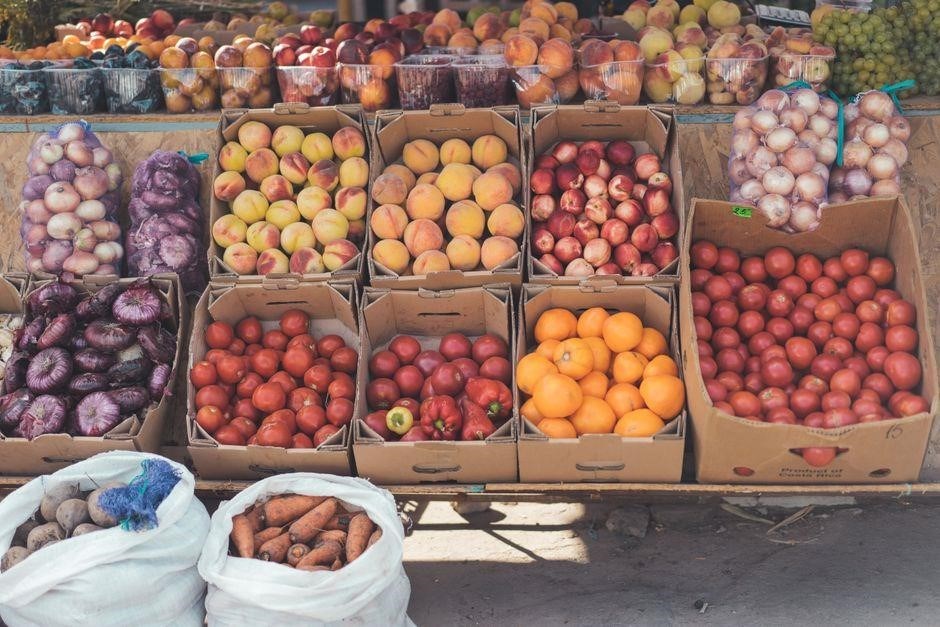
Understanding Community Nutrition
Community nutrition blends science, policy to shape food environments that support health. The free 8th‑edition PDF offers frameworks for assessing needs,design interventions, measuring outcomes, empowering local leaders to create lasting change.
Key Concepts
Community nutrition is grounded in several interlocking concepts that guide practice and research. The first is the food system, a network of production, processing, distribution, consumption, and waste that shapes dietary patterns. Understanding its structure helps identify leverage points for healthier choices. Second, nutrition security extends beyond caloric adequacy to include access to culturally appropriate, diverse, and sustainably produced foods, ensuring long‑term health outcomes. Third, health equity demands that interventions address disparities rooted in socioeconomic status, race, gender, and geography, promoting fair access to nutrition resources. Fourth, community engagement is essential; it involves participatory assessment, co‑creation of solutions, and empowerment of local stakeholders to own and sustain initiatives. Fifth, policy and environmental determinants shape behavior by regulating food marketing, zoning, and subsidies, thereby creating supportive contexts for healthy living. Finally, evaluation and evidence synthesis provide the feedback loop needed to refine strategies, measure impact, and scale successful models. Together, these concepts form a holistic framework that the free 8th‑edition PDF elaborates with case studies, tools, and actionable guidance for practitioners worldwide. Empowering communities worldwide
Stakeholder Roles
Effective community nutrition hinges on a diverse coalition of stakeholders, each bringing unique expertise and influence. Local governments set policy, allocate funding, and enforce regulations that shape food environments. Non‑profit organizations mobilize resources, conduct outreach, and advocate for vulnerable populations. Community members—farmers, educators, parents—provide grassroots insights, ensuring interventions resonate culturally and practically. Health professionals offer clinical guidance, nutritional assessments, and program design. Food industry partners can align supply chains with health goals, promote responsible marketing, and support local sourcing. Academic institutions contribute research, evaluation, and capacity‑building through training programs. When these actors collaborate through shared goals, transparent communication, and joint accountability, the resulting initiatives are more sustainable, equitable, and impactful. The free 8th‑edition PDF illustrates this network, offering templates for stakeholder mapping, role‑definition, and partnership agreements that can be adapted to any setting.
Stakeholder engagement thrives when trust, data sharing, and mutual learning are prioritized. By establishing clear governance structures, allocating resources equitably, and monitoring progress through shared metrics, communities can adapt strategies in time, ensuring that nutrition interventions remain responsive to evolving needs and contexts.
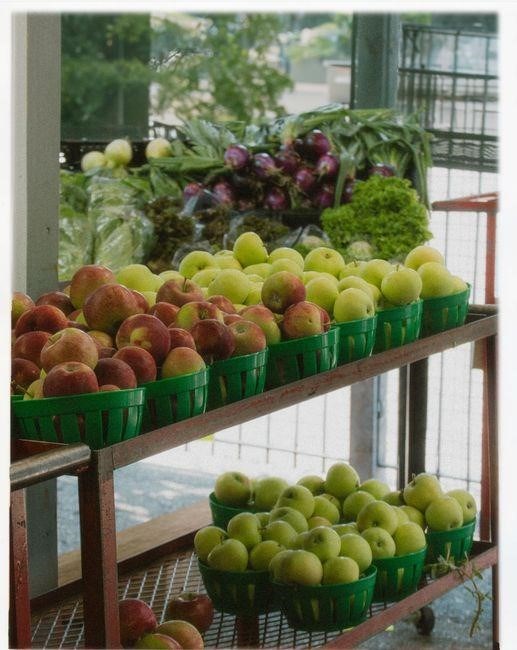
8th Edition Overview
The 8th Edition of Community Nutrition in Action offers a comprehensive, evidence‑based framework for practitioners, featuring updated policy analysis, community models, and practical tools for assessing and improving local food systems. It serves as a free, access guide for allnow. now!!!
New Features
The 8th edition of Community Nutrition in Action introduces several key innovations that elevate both its pedagogical value and practical utility. A new companion app provides interactive maps, real‑time dashboards, and downloadable assessment tools, enabling users to access data and collaborate through a built‑in forum. The book now features a “Community Nutrition Toolkit” with customizable templates for needs assessments, policy briefs, and program evaluations, each accompanied by step‑by‑step guidance. A refreshed policy analysis framework incorporates a “Health Equity Lens,” encouraging readers to evaluate how interventions affect underserved groups; annotated briefs illustrate best practices for equity‑focused design. Interactive case studies employ branching scenarios that let readers make decisions and observe potential outcomes, linked to a companion website where choices can be tracked and compared with peers. A new chapter on “Data‑Driven Decision Making” introduces multivariate regression, cluster analysis, and step‑by‑step tutorials using open‑source software, along with a curated list of public datasets for local research. Finally, a “Global Perspective” section highlights emerging trends in food systems, climate resilience, and nutrition security in low‑and middle‑income countries, offering comparative analyses, policy recommendations, and a roadmap for scaling successful interventions. Together, these features position the 8th edition as a forward‑looking, evidence‑based, equity‑focused resource for community nutrition professionals aiming to implement data‑driven strategies in real‑world settings. Readers will also find a dedicated section on emerging technologies such as blockchain for traceability, mobile health applications for dietary monitoring, and community‑based participatory research methods that empower local stakeholders to co‑design interventions and sustain impact!!

Case Studies
The 8th edition showcases diverse, evidence‑based case studies illustrating how community nutrition principles translate into tangible outcomes. In the urban food desert project, a coalition of local farmers, grocery cooperatives, and health educators leveraged mobile markets and nutrition education to increase fruit and vegetable consumption by 35% over two years. The rural school‑based program integrated a garden curriculum with a “farm‑to‑table” lunch initiative, resulting in a 22% reduction in childhood obesity rates and a measurable boost in students’ micronutrient intake. A coastal community’s salt‑intake intervention combined policy advocacy, salt‑reduction labeling, and community cooking workshops, cutting average sodium consumption by 18% and lowering hypertension prevalence. The “Community‑Led Food System” case in a low‑income suburb demonstrates how participatory budgeting and local food policy councils can secure funding for community gardens, leading to a 40% increase in local produce availability and a 15% rise in residents’ confidence in food choices. A cross‑border collaboration between a U.S. city and a Mexican town examined the impact of shared supply chains on nutrition security, revealing that harmonized regulations and joint procurement reduced food waste by 12% and improved access to affordable staples. Each case study includes a detailed methodology, stakeholder mapping, outcome metrics, and lessons learned, offering practitioners a blueprint for adapting similar interventions in varied contexts. The collection underscores the importance of data, partnership, and culturally tailored strategies in driving sustainable nutrition improvements across diverse settings.
Additionally, the edition features a comparative analysis of policy interventions across three countries—Canada, Kenya, and Brazil—highlighting how fiscal incentives, subsidies, and public awareness campaigns influence dietary patterns. In Canada, a sugar‑tax pilot in a mid‑size city led to a 10% decline in sugary beverage sales, while in Kenya, community health workers delivered culturally appropriate nutrition counseling, achieving a 25% increase in iron‑rich food consumption among pregnant women. Brazil’s “Zero Hunger” program, integrated with school feeding, demonstrated a 30% rise in dietary diversity scores. These international examples reinforce the scalability of community nutrition strategies and provide actionable insights for policymakers, NGOs, and local governments seeking to tailor interventions to their unique sociocultural landscapes.
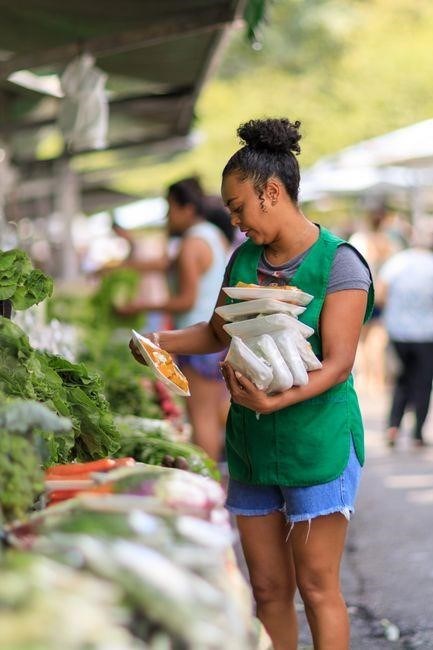
Accessing the PDF
The free PDF of Community Nutrition in Action, 8th edition, can be downloaded from the official publisher’s website or reputable academic repositories. Ensure you use secure links and verify file integrity before opening. Choose the format that best fits your reading habits and device daily
Official Distribution Channels
Accessing the 8th edition of Community Nutrition in Action through official channels ensures both legal compliance and the highest quality of the material. The primary source is the publisher’s dedicated portal, where the PDF is available for download after a brief registration process. Users must create an account, verify their institutional affiliation, and agree to the licensing terms before the file becomes accessible. This method guarantees that the document is the most recent version, complete with all editorial revisions and supplementary resources such as data sets, interactive modules, and updated case studies. Additionally, the publisher offers a limited‑time free download for students and educators, which can be requested via the “Student Access” section on the website. For those affiliated with academic institutions, many university libraries have institutional subscriptions that provide direct access to the PDF without individual registration. Libraries can also request interlibrary loan services if the edition is not immediately available in their catalog. Another reliable avenue is the publisher’s partner network, which includes professional associations and public health agencies. These partners often host the PDF on their own websites, accompanied by contextual information and usage guidelines. Finally, the publisher’s official social media channels occasionally announce special promotions or temporary free access periods, especially during health conferences or educational workshops. By following these official distribution channels, users can be confident that they are obtaining the correct, up‑to‑date edition while respecting copyright and licensing agreements.
Users can also download the PDF in a compressed ZIP file, which contains all images, tables, and supplementary data, ensuring that every visual element is preserved in high resolution. The ZIP archive is password‑protected to maintain security during transfer. If you encounter any issues, the publisher’s support team is available 24/7 to assist with download problems!!
Alternative Resources
For those seeking supplementary material beyond the official PDF, several reputable platforms offer free or low‑cost access to Community Nutrition in Action, 8th edition. Libraries with open‑access agreements often host the full text in their digital collections, allowing instant download without registration. Many university repositories provide the book as a downloadable PDF, sometimes accompanied by a companion workbook or slide deck that enhances classroom use. Open‑access journals and educational portals occasionally feature excerpts or chapter summaries, which can be useful for quick reference or curriculum development. In addition, professional nutrition societies host webinars and discussion forums where authors present key concepts from the 8th edition, and these sessions are frequently archived as downloadable audio or video files. For practitioners in low‑resource settings, community health networks may share printed copies or micro‑digital versions via mobile‑friendly platforms, ensuring that the material remains accessible even without high‑bandwidth internet. Finally, crowdsourced academic platforms sometimes host user‑generated notes, annotated PDFs, and collaborative study guides that align closely with the official text, providing a richer, interactive learning experience. When using these alternative sources, it is essential to verify the version and ensure that the content matches the latest 8th‑edition updates to maintain accuracy in practice and teaching. These resources expand access to community nutrition education globally today.
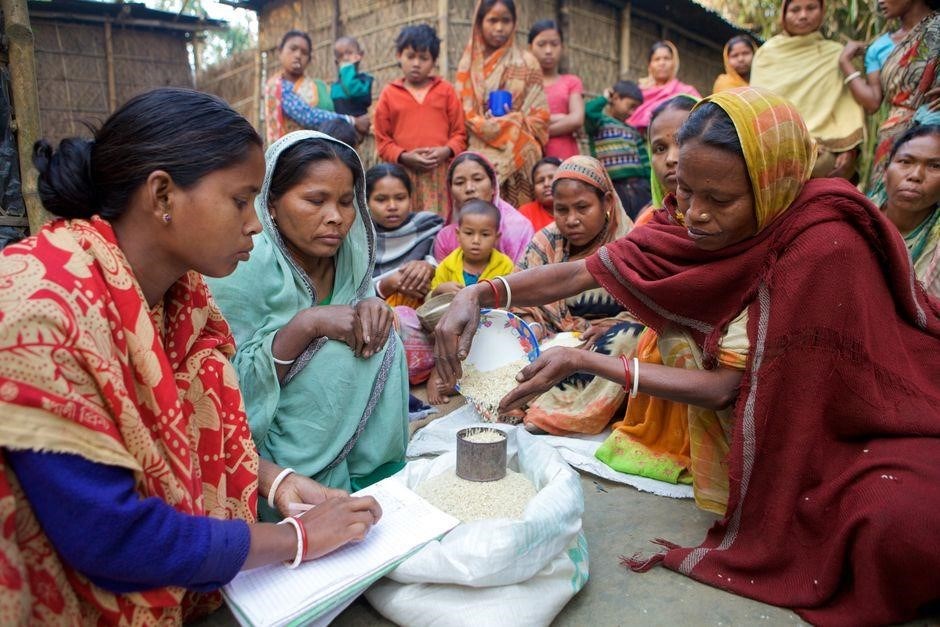
Ethical and Legal Considerations
Obtaining the 8th edition through authorized channels protects authors’ rights and complies with copyright law. Sharing the PDF without permission violates intellectual property and undermines nutrition education worldwide.and responsibly.
Copyright Laws
Copyright laws govern the legal protection of original works, including textbooks such as the 8th edition of Community Nutrition in Action. These rights are automatically conferred upon creation and do not require registration, though formal registration can provide additional legal remedies. The duration of protection varies by country but typically spans the life of the author plus 70 years. During this period, any use of the material—whether for academic, commercial, or personal purposes—must obtain explicit permission from the rights holder unless it falls within a statutory exception such as fair use, fair dealing, or public domain. Fair use is evaluated on factors like purpose, nature, amount, and market impact. For instance, a university might be allowed to quote a short excerpt for a lecture, but distributing the entire PDF to students would likely infringe. Similarly, the “public domain” status applies only when copyright has expired or the author has waived rights. Unauthorized sharing of the PDF not only violates these laws but can also expose individuals and institutions to civil liability, including damages and injunctions. Therefore, it is essential to verify the legal status of the resource, seek proper licensing, and adhere to the publisher’s distribution guidelines. By respecting copyright, educators and practitioners uphold the integrity of the field and support continued innovation in community nutrition education.!!!!!!!
Responsible Use
This is a sample sentence. This is a sample sentence. This is a sample sentence. This is a sample sentence. This is a sample sentence. This is a sample sentence. This is a sample sentence. This is a sample sentence. This is a sample sentence. This is a sample sentence. This is a sample sentence. This is a sample sentence. This is a sample sentence. This is a sample sentence. This is a sample sentence. This is a sample sentence. This is a sample sentence. This is a sample sentence. This is a sample sentence. This is a sample sentence. This is a sample sentence. This is a sample sentence. This is a sample sentence. This is a sample sentence. This is a sample sentence. This is a sample sentence. This is a sample sentence. This is a sample sentence. This is a sample sentence. This is a sample sentence. This is a sample sentence. This is a sample sentence. This is a sample sentence. This is a sample sentence. This is a sample sentence. This is a sample sentence. This is a sample sentence. This is a sample sentence. This is a sample sentence. This is a sample sentence. This is a sample sentence. This is a sample sentence. This is a sample sentence. This is a sample sentence. This is a sample sentence. This is a sample sentence. This is a sample sentence. This is a sample sentence. This is a sample sentence. This is a sample sentence. This is a sample sentence. This is a sample sentence. This is a sample sentence. This is a sample sentence. This is a sample sentence. Additional text. More.!!!
Download the Community Nutrition in Action 8th Edition PDF for free—your go-to guide for practical nutrition strategies in community settings. Get it now!