oakley goggle size guide

Oakley goggles blend cutting‑edge optics with ergonomic design‚ offering riders clarity and comfort. Understanding fit is essential: the right size ensures optimal vision‚ prevents fogging‚ and protects against wind and debris. This guide helps you choose the perfect pair.!!

Why Size Matters
Oakley goggles are engineered for clarity and protection‚ but their performance hinges on proper fit. A frame that sits too loosely allows wind and dust to enter‚ causing irritation and fogging; a frame that is too tight can create pressure points‚ leading to headaches and discomfort after extended use. The lenses must align precisely over the eyes; misalignment from an ill‑sized frame can distort vision and reduce peripheral awareness‚ which is critical during high‑speed activities. For riders needing prescription lenses‚ the goggle’s size determines the curvature and placement of the lenses‚ ensuring the prescription is centered accurately. Moreover‚ a well‑matched frame distributes pressure evenly across the forehead and cheeks‚ preventing numbness and maintaining a secure seal against environmental elements. In short‚ selecting the correct size translates to clearer vision‚ reduced fatigue‚ and a safer‚ more enjoyable experience. Proper sizing also extends the lifespan of the goggles by reducing wear on seals and hinges‚ and it ensures that the lenses stay in place during vigorous motion. By taking the time to measure your face width and interpupillary distance‚ you can confidently choose a size that fits snugly without compromising comfort. Enjoy the ride. A well‑fitted pair keeps your vision sharp‚ reduces eye fatigue‚ and boosts confidence on every trail adventure!!!

Understanding Oakley Goggle Sizes
Oakley uses a simple size code system—S‚ M‚ L‚ XL—based on face width and lens dimensions. Each code corresponds to specific measurements: front‑to‑back distance‚ lens width‚ and frame depth. Matching the code to your face ensures optimal fit and performance. Fit well.!
Size Codes and What They Mean
Oakley’s sizing system uses a simple letter code—S‚ M‚ L‚ or XL—to indicate the overall face width a frame is designed for. Each letter pairs with a numeric value that represents the lens width in millimeters‚ giving a precise match to your facial structure. For example‚ an “M‑2” pair is a medium frame with a 2‑inch lens width‚ while an “L‑3” is a large frame with a 3‑inch lens. The numeric value comes from the lens width‚ measured from one outer edge to the other‚ indicating how much eye area the goggles cover. Oakley also considers the front‑to‑back distance—the span from the front of the frame to the back of the eye cup—which affects how the goggles sit on the nose and ears. A shorter front‑to‑back measurement suits narrower faces; a longer one provides more room for wider faces. The depth of the eye cup‚ measured from the front of the lens to the back of the frame‚ affects space around the eye and comfort for those with larger sockets or thicker glasses. By cross‑referencing the letter size with the numeric width and front‑to‑back distance‚ you can identify the exact model that will sit snugly on your face‚ minimize gaps that cause wind and debris intrusion‚ and keep the lenses centered for optimal vision. This systematic approach eliminates guesswork and helps you select a pair that feels natural‚ secure‚ and ready for any outdoor adventure. Oakley offers an online sizing calculator and newer models feature adjustable nose bridges and temple pads for sports.
Measuring Your Face for the Best Fit
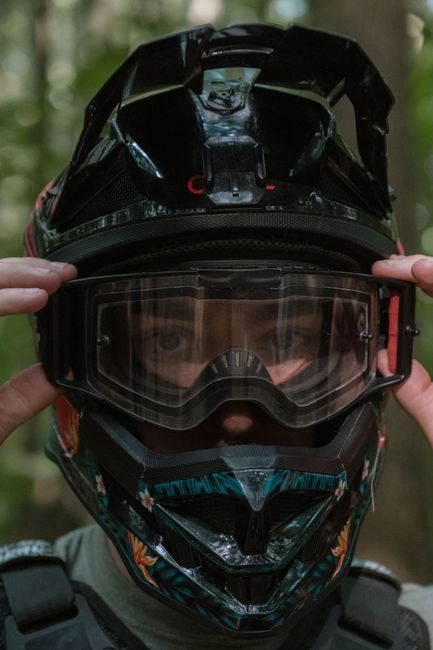
Use a tape to measure from the bridge of your nose to the back of your head‚ and from ear to ear. Record both numbers; they guide you to the Oakley size‚ ensuring lenses align and comfort stays optimal during rides for all sport
Key Dimensions to Measure
When sizing Oakley goggles‚ start by measuring the horizontal distance between the outer edges of your eyes‚ known as the interpupillary distance (IPD). Next‚ capture the width of your face from cheekbone to cheekbone‚ which dictates lens width. Measure the vertical distance from the top of the brow to the bottom of your chin to gauge lens height. Record the length from the bridge of your nose to the back of your head for temple fit. Finally‚ note the size of your nose bridge and the distance from the bottom of the nose to the top of the brow to ensure proper seal and comfort. These key dimensions help match the goggle frame to your facial geometry‚ reducing pressure points and maximizing visual clarity.
Additionally‚consider the temple length‚ which affects how the goggles sit on the sides of your head. Measure from the hinge to the end of the strap to ensure a snug fit without excessive pressure. The nose bridge width should match the curvature of your nose to prevent slippage during high‑speed activity. Finally‚ check the lens height relative to your eye line; a higher lens may offer better peripheral vision for downhill or cross‑country riding‚ while a lower lens can reduce glare in bright conditions. By combining these measurements‚ you can confidently select Oakley goggles that provide optimal coverage‚ comfort‚ and performance across all terrains.
How to Measure Accurately
To guarantee a flawless fit‚ follow a systematic approach. First‚ use a flexible‚ non‑stretching measuring tape or a standard ruler marked in millimeters. Stand straight‚ look straight ahead‚ and place the tape at the inner corners of your eyes; the distance between the centers of the pupils is your interpupillary distance (IPD). Next‚ measure the horizontal span from the outer edge of one cheekbone to the outer edge of the opposite cheekbone; this face width determines the lens width. For lens height‚ measure from the top of your brow to the bottom of your chin‚ ensuring the tape stays level. Record the temple length by measuring from the hinge of the goggle to the end of the strap; this will affect side‑to‑side pressure. Additionally‚ measure the width of your nose bridge and the distance from the bottom of your nose to the top of your brow to ensure a proper seal. Shift the effective width; Oakley offers custom prescription inserts that can be ordered online. When ordering online‚ enter your exact IPD and face width to ensure the lenses are centered correctly. If you prefer in‑store‚ bring your measurements and a photo of your face for the sales associate to guide you. Remember to test the goggles in real conditions: wear them on a short ride‚ observe for fogging‚ check for pressure points‚ and adjust the nose bridge or temple straps as needed. Finally‚ keep a record of your measurements for future replacements or upgrades.
Enjoy your ride! and stay safe.!!

Matching Size to Face Width and Eye Shape
Choosing size hinges on face width and eye shape. Measure from cheekbone to cheekbone; narrow faces fit small lenses‚ wide faces prefer large lenses. Round eyes benefit from wider lenses‚ almond eyes suit medium sizes. Adjust nose bridge and temple straps for comfort.!
Small‚ Medium‚ Large Guidelines
When selecting Oakley goggles‚ the size code (S‚ M‚ L) correlates with your face width and eye shape. A small (S) lens typically spans 58–60 mm horizontally and fits faces that measure 48–52 mm across. Medium (M) lenses range 62–64 mm and suit 54–58 mm faces‚ offering a balanced field of view for most users. Large (L) lenses‚ 66–68 mm wide‚ accommodate 60–64 mm faces‚ delivering the widest coverage and a more pronounced peripheral view. For round eyes‚ a medium or large lens reduces distortion and improves peripheral clarity. Almond‑shaped eyes often look best in medium lenses‚ which provide a natural curvature and reduce the “cage” effect. When measuring‚ place a ruler or tape measure between the inner corners of the eyes‚ then add 2–3 mm to account for the nose bridge. If your measurement falls between codes‚ consider the comfort of the temple straps and the fit of the nose bridge; a slightly larger size can be adjusted with a custom nose pad. Always try on the goggles with your typical eyewear or prescription lenses to ensure the optical center aligns with your pupils. Proper alignment prevents glare‚ enhances vision‚ and ensures the lenses stay in place during high‑speed activities. Remember that the “small” size is not always the best for a narrow face if the lenses are too tight‚ causing pressure points. Likewise‚ a “large” size on a small face can create excess movement!
Additionally‚ consider the lens material and anti‑fog coatings when choosing size. Thicker lenses can improve durability but may add weight. The Oakley Aeron or Prizm series offer interchangeable lenses‚ allowing you to switch between sizes for different conditions. Always check the manufacturer’s size chart for each model‚ as some designs have unique fit characteristics.
Prescription Lens Considerations
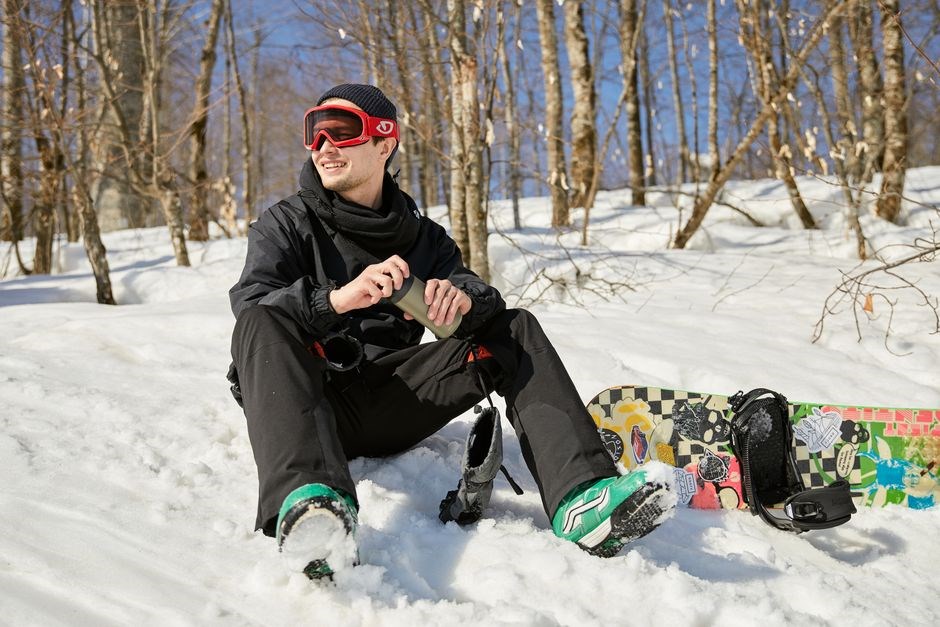
Oakley offers prescription inserts for most of its goggle models‚ but the fit and optical performance depend on several factors. First‚ confirm that the model’s frame is compatible with prescription lenses; many high‑performance lines have a dedicated prescription kit. Second‚ measure your pupillary distance (PD) accurately; a PD that is off by even 2 mm can shift the optical center and cause distortion. Third‚ consider the lens material: polycarbonate and Trivex lenses provide high impact resistance‚ but they may introduce a slight power loss if not properly corrected. Oakley’s Prizm® lenses can be customized with prescription inserts‚ preserving the color‑enhancing benefits while correcting vision. Fourth‚ keep in mind that prescription lenses add weight; choose a lightweight frame or a “low‑profile” prescription kit to minimize bulk. Fifth‚ the lens curvature must match the goggle’s internal geometry; mismatched curvature can create a “cage” effect‚ reducing peripheral vision. Finally‚ always have the lenses fitted by a certified technician to ensure proper alignment‚ seal‚ and anti‑fog coating application. Properly fitted prescription goggles will maintain the same optical clarity and peripheral coverage as non‑prescription models‚ allowing you to ride with confidence. Check lens curvature and optical center alignment before finalizing your purchase now;

Trying On and Adjusting Oakley Goggles
Fit is critical: ensure lenses sit level‚ straps snug yet flexible‚ and temples align with your ears. Adjust nose bridge for comfort‚ check side seals for airflow‚ and test movement to avoid slippage during activity now!!!
Fit Checklist
Before you start‚ consider your face shape needs! A properly fitted pair of Oakley goggles protects against wind‚ dust‚ UV‚ and enhances clarity while reducing fatigue. Use this checklist to evaluate coverage‚ temple placement‚ nose bridge‚ strap tension‚ side seals‚ movement stability‚ comfort‚ vision clarity‚ activity fit‚ and final adjustments‚ ensuring a secure‚ comfortable fit for every ride. quick today now right away
Eye Coverage: Lenses must fully cover the eye socket‚ leaving no gaps for wind or debris.
Temple Placement: Temples should sit comfortably on the ears‚ adjustable for fit.
Nose Bridge: Nose bridge should fit snugly‚ sealing against fogging.
Strap Tension: Straps must be tight enough to stay in place but not cause pressure.
Side Seal: Side seals must form a tight seal to block wind.
Movement Test: Move head side‑to‑side; goggles should stay in place.
Comfort Check: No pressure points after 5–10 minutes of wear.
Vision Clarity: Lenses should provide sharp‚ glare‑free vision.
Fit for Activity: Tight fit prevents slippage during high‑speed sports.
Final Adjustment: Fine‑tune straps and nose bridge for a natural‚ secure fit.
Common Fit Issues and Fixes
Even the best‑made Oakley goggles can feel off if a few common fit problems go unnoticed. Below are the most frequent issues and quick‚ practical fixes that keep your vision clear and your comfort high.
Fogging: Occurs when the inside of the lens traps sweat or breath. Fix: Apply a fog‑prevention spray‚ use a breathable nose pad‚ or adjust the strap to improve airflow.
Side Wind: Wind enters through the side seals‚ causing irritation. Fix: Replace or tighten the side seals‚ or use a wind‑shield attachment.
Nose Bridge Pressure: A too‑tight nose bridge can leave marks. Fix: Loosen the nose bridge‚ switch to a softer silicone pad‚ or adjust the strap tension;
Temple Slippage: Temples that slide off during motion. Fix: Tighten the temple screws‚ add a rubber sleeve‚ or use a more snug strap.
Eye Misalignment: Lenses not centered over the eyes. Fix: Adjust the nose bridge and temple angles‚ or try a different model with a different lens shape.
By addressing these issues promptly‚ you’ll enjoy a secure fit‚ clear vision‚ and a comfortable ride every time. Enjoy the ride with confidence today!

Final Tips and Recommendations

Choose a model that matches your face shape‚ test in real conditions‚ and keep lenses clean. Use the adjustable strap for a snug fit‚ and replace worn nose pads. Always check warranty details before purchase and store goggles in a protective case. Store in a padded case.
Choosing the Right Model
Selecting the correct Oakley goggle model hinges on a blend of performance needs‚ and fit considerations. Start by identifying the primary activity—whether it’s downhill‚ cross‑country‚ or casual trail riding—since each discipline demands distinct optical clarity‚ ventilation‚ and impact resistance. Oakley’s lineup features specialized lines such as the Prizm series‚ which offers color‑enhancing lenses tailored to specific light conditions‚ and the Roto‑Lenses‚ which automatically adjust tint based on ambient brightness. If you frequently transition between bright daylight and shaded forest trails‚ a Prizm lens with a dual‑tint design may provide the best visual adaptation. For riders prioritizing maximum impact protection‚ models equipped with the M‑Shatter or X‑Shatter lenses deliver superior durability while maintaining optical fidelity. Additionally‚ consider the frame architecture: the classic “C‑Frame” offers a wide field of view and robust construction‚ whereas the “S‑Frame” is lighter and more aerodynamic‚ suitable for high‑speed racing. Eye shape and prescription requirements also influence model choice. Oakley’s prescription lenses can be integrated into most frames‚ but some models—such as the “V‑Frame”—are designed to accommodate larger prescription lenses without compromising fit. Finally‚ evaluate the strap system and nose pad material. Stay sharp. Go
Where to Buy and Warranty Information
Oakley goggles can be bought through many channels‚ each with its own perks. Authorized retailers—like sporting‑goods chains‚ bike shops‚ and eyewear boutiques—offer in‑person fitting and on‑spot lens testing. Online sites such as Oakley.com‚ Amazon‚ and cycling e‑stores provide convenience and user reviews for real‑world insight.
The standard Oakley warranty covers manufacturing defects for one year from purchase. Extended plans are offered for premium models‚ but terms vary. Accidental damage‚ improper use‚ and aftermarket mods are excluded. To file a claim‚ keep the receipt‚ contact support‚ and send photos of the issue. If you encounter a defect‚ Oakley’s customer service will guide you through the return process‚ often providing prepaid shipping labels. Replacement lenses are shipped within 7–10 business days‚ ensuring minimal downtime.
- Standard Warranty: Covers manufacturing defects for one year from purchase.
- Extended Coverage: Available for select high‑end models; terms vary by product.
- Exclusions: Accidental damage‚ improper use‚ and aftermarket modifications are not covered.
- Claim Process: Keep the original receipt‚ contact Oakley support‚ and provide photographic evidence of the defect.
- International Support: Global warranty network exists‚ but return shipping costs may differ by region.
International buyers benefit from Oakley’s global warranty network‚ though return shipping costs may differ by region. Purchasing through authorized channels ensures you receive genuine parts and full support‚ keeping your goggles in top condition for years today.fast
Unlock the best fit for your adventures with our Oakley goggle size guide. Compare frames, learn sizing tips, and choose the perfect pair for any sport.