leadership training activities pdf

Leadership activities, challenges, and games are vital for employee growth and team spirit, moving beyond traditional, disliked methods like lengthy presentations․
The Importance of Practical Application
Theoretical knowledge of leadership principles is insufficient; true development necessitates practical application through engaging leadership activities․ These experiences—like leadership races or the Marshmallow Challenge—allow participants to embody leadership roles and test strategies in a safe environment․
Simply studying power dynamics or long-range planning doesn’t equate to effective leadership․ Instead, hands-on exercises foster adaptability, trust, and creativity․ Participants learn by doing, receiving immediate feedback, and refining their approaches․ This experiential learning solidifies understanding and builds confidence, ultimately translating into improved performance in real-world scenarios․
Why Use Activities in Leadership Development?
Traditional leadership training often falls short, evoking negative reactions like discomfort and disengagement․ Leadership activities offer a dynamic alternative, fostering a more positive and impactful learning experience․ They move beyond “death-by-PowerPoint” and encourage active participation, boosting employee development and team cohesion․
These exercises cultivate essential skills – communication, teamwork, problem-solving – in a practical context․ Whether through formal training, sports, volunteering, or social groups, activities provide opportunities to build trust and enhance creativity․ They’re crucial for developing well-rounded leaders capable of navigating complex challenges and inspiring others․

Core Leadership Skills Developed Through Activities

Activities strategically enhance crucial leadership attributes: communication, adaptability, trust-building, and creative thinking, preparing individuals for impactful roles․
Communication Skills Enhancement
Effective communication is the cornerstone of strong leadership, and targeted activities can dramatically improve this skill․ Exercises like the “Drawing Communication” challenge, where instructions are relayed verbally to recreate an image, highlight the importance of clarity and active listening․
Furthermore, “Active Listening Games” force participants to truly hear and understand messages before responding, fostering empathy and reducing misunderstandings․ Non-verbal communication challenges also play a vital role, emphasizing body language and its impact on message delivery․ These activities aren’t merely about talking; they’re about connecting, understanding, and ensuring messages resonate with intended audiences, ultimately building stronger, more cohesive teams․
Teamwork and Collaboration Building
Leadership isn’t a solo endeavor; it thrives on effective teamwork․ Activities designed to build collaboration, such as “Leadership Races,” demand synchronized effort and shared responsibility to achieve a common goal․ “Team Puzzle Solving” exercises necessitate diverse skillsets and open communication to piece together solutions․
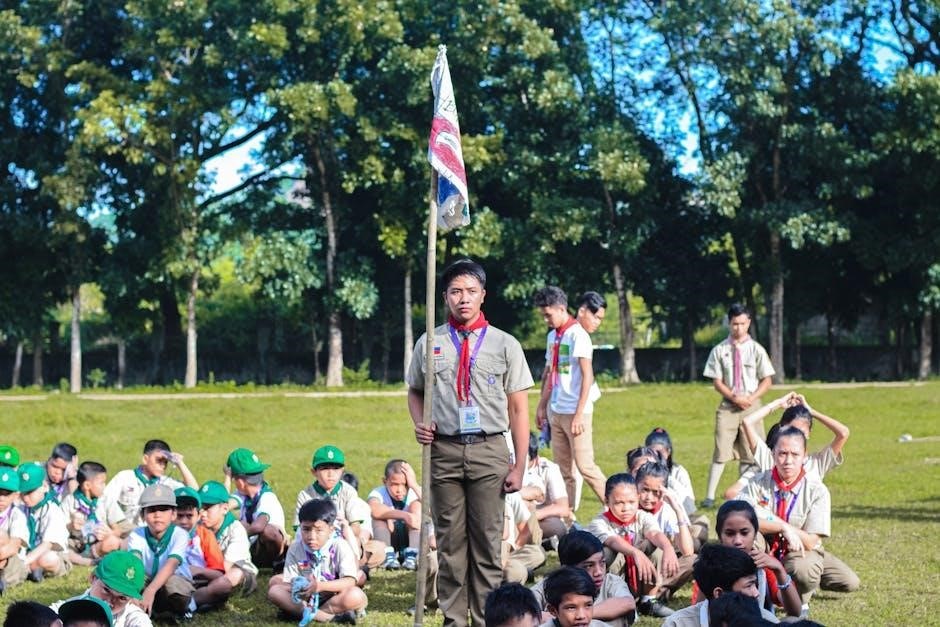
Even “Outdoor Adventure Challenges” can foster camaraderie and trust as teams navigate obstacles together․ These experiences move beyond individual contributions, emphasizing the power of collective intelligence and mutual support․ Successful completion relies on leveraging each member’s strengths, navigating conflict constructively, and celebrating shared victories, ultimately forging stronger, more resilient teams․
Problem-Solving and Critical Thinking
Effective leaders aren’t simply decisive; they’re adept problem-solvers․ Activities like the “Marshmallow Challenge” force participants to rapidly prototype and iterate, learning from failures and adapting strategies under pressure․ “Case Study Analysis” presents complex scenarios demanding analytical skills and informed decision-making․
Furthermore, “Simulations and Strategic Games” immerse individuals in realistic environments, requiring them to anticipate consequences, weigh risks, and formulate innovative solutions․ These exercises cultivate a mindset of inquiry, encouraging participants to question assumptions, evaluate evidence, and approach challenges with a logical, yet creative, perspective – essential traits for navigating ambiguity and driving positive change․

Popular Leadership Training Activities
Common examples include the engaging “Marshmallow Challenge,” the trust-building “Blindfold Challenge,” and the insightful “Leadership Compass Exercise,” fostering skill development․
The Marshmallow Challenge
The Marshmallow Challenge is a classic team-building activity, deceptively simple yet profoundly insightful․ Teams receive 20 sticks of spaghetti, one yard of tape, one yard of string, and a marshmallow․ The objective? To build the tallest freestanding structure with the marshmallow on top, within a strict 18-minute timeframe․
This activity brilliantly highlights crucial leadership dynamics․ Successful teams typically prototype, test assumptions, and iterate rapidly – qualities of effective leadership․ It demonstrates the importance of experimentation, communication, and embracing failure as a learning opportunity․ Often, kindergarteners outperform business school students, showcasing the power of hands-on problem-solving over analytical paralysis․ The Marshmallow Challenge fosters collaboration and reveals natural leadership tendencies within a group․
Blindfold Challenge
The Blindfold Challenge is a powerful exercise designed to build trust, communication, and leadership skills within a team․ One team member is blindfolded, while others provide verbal instructions to guide them through a designated course or task – perhaps navigating an obstacle course or building a simple structure․
This activity emphasizes the importance of clear, concise communication and active listening․ Leaders must learn to articulate instructions effectively, while team members must trust and rely on each other․ It highlights the challenges of leading without direct vision and the necessity of providing constructive feedback․ The Blindfold Challenge fosters empathy and demonstrates how crucial it is to understand different perspectives within a team dynamic․
Leadership Compass Exercise
The Leadership Compass Exercise is a valuable activity for clarifying personal leadership values and understanding different leadership styles․ Participants individually identify their core leadership principles – what guides their decisions and actions – and visually represent them on a “compass․”
This compass typically includes directions like North (Vision), South (Integrity), East (Strategy), and West (People)․ Teams then share their compasses, discussing similarities and differences․ This fosters self-awareness and encourages reflection on how personal values impact leadership effectiveness․ The exercise promotes open dialogue about leadership philosophies and helps individuals articulate their unique approach, ultimately strengthening team cohesion and understanding․
Activities Focused on Communication
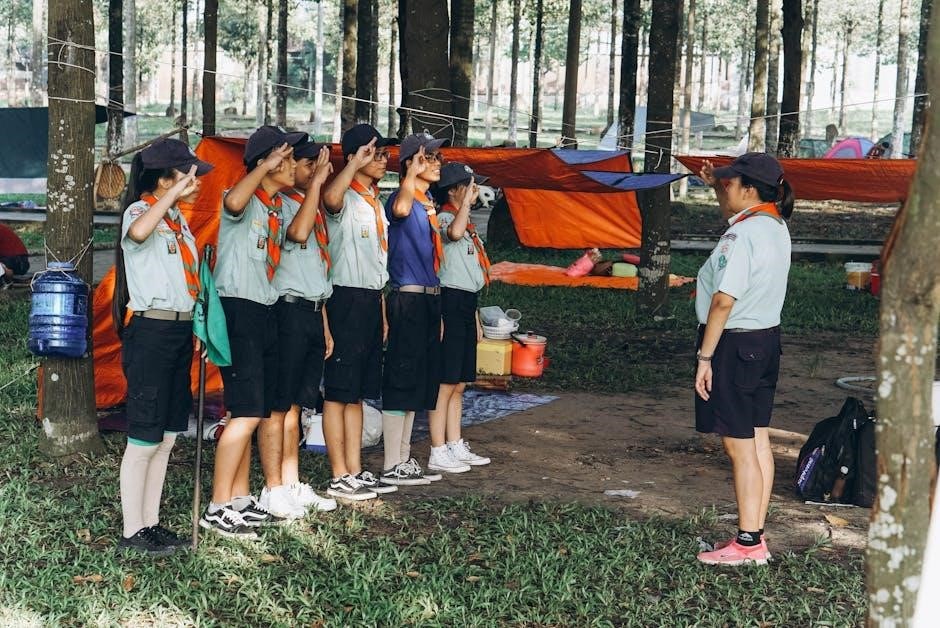
Communication-focused activities, like drawing exercises and active listening games, are crucial for developing clear messaging and empathetic understanding within teams․
Drawing Communication Exercise
The Drawing Communication Exercise is a powerful activity designed to highlight the challenges inherent in conveying information accurately․ Participants work in pairs; one describes a complex image without revealing what it is, while the other attempts to recreate it solely based on the verbal instructions․
This exercise vividly demonstrates how easily miscommunication can occur, even with the best intentions․ It emphasizes the importance of precise language, active listening, and seeking clarification․ Leaders learn to adapt their communication style to ensure understanding, recognizing that assumptions can lead to significant errors․

The debriefing session is critical, focusing on what worked well, where breakdowns occurred, and strategies for improving clarity in future interactions․ It’s a simple yet effective tool for building communication competency․
Active Listening Games
Active listening games are crucial for developing a core leadership skill: truly understanding others․ One popular game involves participants recounting a personal story while others practice focused listening – maintaining eye contact, nodding, and offering minimal verbal interruptions․
Following the story, listeners must accurately summarize the key points and emotions conveyed, demonstrating their comprehension․ Another variation involves “reflective listening,” where listeners paraphrase the speaker’s message to confirm understanding․
These exercises build empathy and reduce misunderstandings․ Effective leaders don’t just hear their team; they actively listen, fostering trust and stronger relationships․ The focus is on non-judgmental reception and accurate interpretation of messages․
Non-Verbal Communication Challenges
Non-verbal cues significantly impact leadership effectiveness; mastering them is essential․ Challenges focusing on this skill involve activities where participants communicate instructions or emotions without speaking – relying solely on body language, facial expressions, and gestures․
A common exercise involves charades, adapted to leadership scenarios․ Another involves mirroring exercises, where individuals attempt to precisely copy each other’s movements, building rapport and observational skills․
These activities highlight how easily messages can be misinterpreted and emphasize the importance of conscious non-verbal communication․ Leaders who are attuned to both their own and others’ non-verbal signals build stronger connections and navigate complex situations more effectively․

Team-Building Leadership Activities
These activities – like leadership races, puzzle solving, and outdoor challenges – foster collaboration, trust, and shared problem-solving skills within teams․
Leadership Races
Leadership races are dynamic team-building activities designed to assess and enhance crucial leadership qualities under pressure․ These aren’t simply about speed; they require strategic thinking, clear communication, and effective delegation․ Teams navigate a series of challenges or obstacles, demanding quick decision-making and collaborative effort․
Successful completion hinges on a leader’s ability to inspire and motivate their team, while also adapting to unforeseen circumstances․ Observing how individuals step up, take charge, and support their teammates provides valuable insights into their leadership potential․ These races highlight the importance of trust, accountability, and shared responsibility, fostering a stronger team dynamic․
Team Puzzle Solving
Team puzzle solving activities present a unique opportunity to observe leadership styles in a collaborative setting․ These challenges, ranging from jigsaw puzzles to complex logic problems, necessitate shared problem-solving and strategic communication․ Effective leaders will facilitate discussion, encourage diverse perspectives, and ensure everyone contributes to the solution․
The focus isn’t solely on solving the puzzle, but how the team approaches the task․ Observing who takes initiative, manages conflict, and maintains team morale reveals valuable leadership traits․ These activities promote critical thinking, adaptability, and the ability to leverage collective intelligence, fostering a stronger, more cohesive team unit․
Outdoor Adventure Challenges
Outdoor adventure challenges, like ropes courses or orienteering exercises, push teams beyond their comfort zones, revealing leadership potential under pressure․ These activities demand trust, communication, and a willingness to rely on each other’s strengths․ Leaders emerge by providing clear direction, motivating team members, and ensuring safety protocols are followed․
Successfully navigating these challenges requires adaptability and creative problem-solving․ Observing how individuals respond to unexpected obstacles – and how they support their teammates – provides invaluable insights into their leadership capabilities․ These experiences build resilience, foster camaraderie, and demonstrate the importance of shared goals in achieving success․

Advanced Leadership Training Activities
Complex scenarios like case studies, role-playing, and simulations hone strategic thinking, decision-making, and the ability to navigate ambiguous situations effectively․
Case Study Analysis
Case study analysis presents participants with real-world leadership dilemmas, demanding critical evaluation and strategic problem-solving․ These scenarios, often drawn from business history or current events, require teams to dissect complex situations, identify key issues, and formulate actionable recommendations․
The process fosters analytical skills, encouraging participants to consider multiple perspectives and anticipate potential consequences․ Effective case study work necessitates strong communication as teams debate options and justify their chosen course of action․ This method moves beyond theoretical concepts, grounding leadership development in practical application and mirroring the challenges leaders face daily․ It’s a powerful tool for developing nuanced judgment and collaborative decision-making abilities․
Role-Playing Scenarios
Role-playing scenarios immerse participants in simulated leadership situations, allowing them to practice skills in a safe and controlled environment․ These exercises can range from handling difficult conversations with employees to negotiating with stakeholders or managing crises․ Participants assume different roles, fostering empathy and understanding of diverse perspectives․
Effective role-playing requires preparation, clear objectives, and constructive feedback․ Observers can provide insights into communication styles, decision-making processes, and emotional intelligence․ This active learning approach moves beyond passive observation, enabling participants to experiment with different leadership approaches and refine their techniques․ It’s a valuable method for building confidence and adaptability in challenging situations․
Simulations and Strategic Games
Simulations and strategic games offer a complex, immersive experience for developing leadership skills․ Unlike simpler activities, these often involve multiple variables, competing priorities, and long-term consequences, mirroring real-world challenges․ Participants might manage a virtual company, navigate a crisis situation, or compete in a strategic market simulation․
These exercises demand critical thinking, problem-solving, and collaborative decision-making under pressure․ They allow leaders to test strategies, analyze results, and learn from failures without real-world repercussions․ The competitive element can also foster innovation and a drive for excellence․ Properly designed simulations provide valuable data and insights into individual and team performance, facilitating targeted development․

Resources for Finding Leadership Training Activities (PDFs)
Harvard Business School, Sling Management Expertise, and various online platforms offer downloadable PDFs containing diverse leadership training activities and workshop ideas․
Harvard Business School Resources
Harvard Business School (HBS) provides a wealth of leadership resources, including case studies and articles often available as downloadable PDFs․ Professor Linda A․ Hill’s work, particularly “Becoming a Manager,” offers valuable insights into practical leadership development․ HBS Online also features various leadership courses and programs, some with accompanying downloadable materials designed for workshop facilitation․
These resources frequently focus on real-world scenarios and emphasize the importance of self-awareness and interpersonal skills․ While direct PDF compilations of activities may require searching their online library, HBS’s case studies can be adapted into interactive leadership training exercises․ Exploring their faculty research and publications will uncover further applicable materials for enhancing leadership capabilities within teams․
Sling Management Expertise
Sling Management Expertise offers a comprehensive collection of 40 leadership activities and games, designed to foster professional growth and team spirit․ Their online resources frequently present these activities as downloadable guides or checklists, effectively serving as leadership training activity PDFs․ These resources move beyond traditional, often-cringeworthy, training methods like death-by-PowerPoint․
Sling’s approach emphasizes practical application, featuring examples like leadership races, the marshmallow challenge, and drawing communication exercises․ They highlight the development of crucial skills – communication, creativity, and critical thinking – through engaging, hands-on experiences․ Their content is readily accessible and geared towards strengthening team abilities, making it a valuable resource for managers seeking impactful training solutions․
Online Leadership Training Platforms
Numerous online leadership training platforms provide downloadable resources, often in PDF format, containing a wealth of activities․ These platforms offer structured programs and individual exercises designed to enhance leadership skills․ Many provide curated collections of activities, categorized by skill focus – communication, teamwork, or problem-solving – making it easy to find relevant materials․
These platforms frequently include activity guides, facilitator notes, and assessment tools, all available as PDFs for convenient access and implementation․ They move beyond traditional training, offering interactive experiences like simulations and case studies․ Searching for “leadership training activities PDF” on these platforms yields diverse options, catering to various team sizes and development needs, ensuring impactful learning experiences․
Successfully integrating leadership training activities, often found as downloadable PDFs, is crucial for sustained growth․ A blended approach – combining formal training with practical application through these activities – yields the best results․ Regularly incorporating challenges like the Marshmallow Challenge or communication exercises reinforces learned concepts and fosters a culture of continuous improvement․
Remember that the most effective programs aren’t one-off events, but ongoing processes․ Utilizing readily available PDF resources allows for flexible implementation and customization․ Prioritizing activities that build communication, teamwork, and critical thinking ensures well-rounded development, ultimately cultivating stronger, more adaptable leaders within your organization․
Level up your leadership skills with engaging activities! Download our free PDF guide packed with team-building exercises & practical tips. Start leading better today!