semantic feature analysis chart pdf

Semantic Feature Analysis Chart PDF: A Comprehensive Guide
Semantic Feature Analysis (SFA) charts‚ often presented as PDF documents‚ are valuable tools. They aid in comparing concepts‚ enhancing comprehension‚ and supporting language therapy interventions‚ as demonstrated by various diagrams available online.
What is Semantic Feature Analysis (SFA)?
Semantic Feature Analysis (SFA) is a therapy technique‚ frequently documented and shared as a PDF‚ designed to facilitate word retrieval and improve language comprehension. It’s a cognitive-linguistic approach where individuals break down words into their core components – their semantic features. This process isn’t about defining a word‚ but rather identifying its key attributes.

Essentially‚ SFA involves creating a matrix or chart (often in PDF format for easy distribution and access) with the target word at the top and relevant semantic categories listed down the side. These categories might include features like ‘animate‚’ ‘concrete‚’ ‘color‚’ ‘function‚’ or ‘location.’ The goal is to stimulate access to semantic knowledge networks‚ aiding individuals – particularly those with aphasia – in recalling and using words more effectively.
The technique‚ as evidenced by numerous online resources and examples in PDF form‚ is highly adaptable and can be tailored to individual needs and target vocabulary. It’s a powerful tool for both assessment and intervention.
The Core Principles of SFA
The foundational principles of Semantic Feature Analysis (SFA)‚ often implemented using charts readily available as PDFs‚ center around stimulating semantic networks. It leverages the idea that words aren’t isolated units‚ but rather nodes connected by a web of features. A key tenet is activating these connections to improve word access.
SFA operates on the premise that even when a word is difficult to recall‚ some semantic information remains intact. By explicitly exploring these features – categorized in a chart‚ frequently distributed as a PDF – individuals can reactivate the complete word representation. This contrasts with rote memorization‚ focusing instead on understanding what a word is‚ not just that it exists.
Furthermore‚ SFA emphasizes a non-judgmental‚ supportive environment. The PDF chart serves as a visual aid‚ guiding the process and reducing frustration. It’s a collaborative approach‚ encouraging exploration and promoting successful communication‚ even with word-finding difficulties.
Historical Context of SFA Development
The roots of Semantic Feature Analysis (SFA)‚ now commonly utilized with charts often found in PDF format‚ trace back to the field of cognitive neuropsychology and the study of semantic memory. While not a singular invention with a precise date‚ its development evolved from componential analysis in linguistics during the mid-20th century – around 1960s – exploring how word meanings could be broken down into component features.
Early work focused on understanding how semantic knowledge is organized in the brain‚ particularly in individuals with aphasia following brain injury. Researchers observed that even with significant word-finding difficulties‚ patients often retained partial semantic knowledge. This observation spurred the development of techniques‚ like SFA‚ to tap into this residual knowledge.
The formalization of SFA as a therapeutic technique gained traction in the late 20th and early 21st centuries‚ with clinicians adapting and refining the approach. The accessibility of creating and sharing SFA charts as PDFs has further contributed to its widespread adoption.

Understanding the SFA Chart
SFA charts‚ frequently in PDF format‚ visually organize semantic features of a target word. They compare and contrast‚ aiding comprehension and recall through structured analysis.
Components of a Typical SFA Chart
A standard Semantic Feature Analysis (SFA) chart‚ often distributed as a PDF‚ comprises several key elements. Typically‚ the target word or concept is listed down the left-hand column. Across the top row‚ you’ll find a selection of relevant semantic features – descriptive attributes that characterize the target.
These features can be broad categories like ‘animate’ or ‘concrete’‚ or more specific qualities related to the word’s meaning. The body of the chart consists of a matrix where each cell is marked with a ‘+’ (present)‚ ‘-’ (absent)‚ or ‘?’ (uncertain) to indicate whether the target word possesses that particular feature.
For example‚ analyzing “father” might include features like ‘human’‚ ‘male’‚ ‘kinship’‚ and ‘adult’. A completed chart provides a visual representation of the word’s semantic network‚ aiding in differentiation and comprehension. The PDF format ensures easy sharing and consistent presentation of this analytical tool.
How to Construct an SFA Chart: Step-by-Step
Creating a Semantic Feature Analysis (SFA) chart‚ often saved as a PDF for easy distribution‚ involves a structured process. First‚ identify the target word or concept needing analysis. Next‚ brainstorm a list of relevant semantic features – characteristics defining the word’s meaning. These become your column headings.
List the target word vertically down the left column. Systematically analyze each feature in relation to the target word. Mark each cell with a ‘+’ if the feature applies‚ a ‘-’ if it doesn’t‚ and a ‘?’ if uncertain. This creates a matrix visually representing the word’s semantic properties.

Review the completed chart for patterns and inconsistencies. A digital PDF version allows for easy editing and sharing. Consider using software to streamline chart creation. The goal is a clear‚ concise representation of the word’s meaning through its component features‚ facilitating comprehension and recall.
Choosing Relevant Semantic Features
Selecting appropriate semantic features is crucial when constructing an SFA chart‚ especially when preparing a PDF version for clinical or educational use. Features should be distinctive and help differentiate the target word from related concepts. Consider categories like physical properties (size‚ color)‚ functional properties (what it does)‚ and class membership (type of thing).
Features like ‘animate’ versus ‘inanimate’‚ ‘concrete’ versus ‘abstract’‚ and ‘living’ versus ‘non-living’ are often useful starting points. Think about what makes the word unique. Avoid features that are too broad or apply to almost everything. The chosen features should be meaningful to the individual completing the chart;
A well-chosen set of features‚ clearly presented in a PDF‚ will maximize the chart’s effectiveness in improving word retrieval and comprehension. Prioritize features that address specific language deficits or learning goals.

Applications of SFA Charts
SFA charts‚ often in PDF format‚ are versatile tools. They support language therapy for aphasia‚ vocabulary growth‚ reading comprehension‚ and assist students with language impairments.
SFA in Language Therapy for Aphasia
Semantic Feature Analysis (SFA)‚ frequently utilized with PDF charts‚ proves highly effective in language therapy for individuals with aphasia. This therapeutic technique aims to reactivate semantic networks by prompting patients to recall and articulate key features associated with target words. The PDF format allows for easy access and repeated use of the charts during therapy sessions.
The process involves creating a matrix where target words are listed down one column‚ and relevant semantic features—like category‚ use‚ or parts—are placed across the top row. Patients then collaboratively fill in the matrix with their knowledge‚ even if they cannot immediately recall the word itself. This encourages retrieval of semantic information‚ bypassing lexical access difficulties often experienced in aphasia.
PDF charts facilitate structured sessions and provide a visual aid for both therapist and patient. The completed matrices serve as a tangible record of progress and can be revisited in subsequent sessions to reinforce learning. SFA‚ delivered through accessible PDF resources‚ empowers individuals with aphasia to regain communicative abilities by strengthening their underlying semantic knowledge.
SFA for Vocabulary Development
Semantic Feature Analysis (SFA)‚ often implemented using readily available PDF charts‚ is a powerful strategy for expanding vocabulary‚ particularly for students or individuals learning new words. The PDF format ensures consistent presentation and allows for easy replication and modification of charts tailored to specific learning needs.
By constructing a matrix with the target word listed vertically and relevant semantic features horizontally (e.g.‚ color‚ shape‚ function)‚ learners actively engage in defining the word’s meaning beyond a simple definition. This process encourages deeper processing and strengthens semantic connections.
The PDF chart serves as a visual organizer‚ prompting learners to consider various aspects of the word and differentiate it from related concepts. Completing the matrix fosters critical thinking and enhances understanding of nuanced word meanings. Utilizing PDF-based SFA charts promotes vocabulary acquisition by building a robust network of semantic associations‚ leading to improved retention and application of new words.
Utilizing SFA in Reading Comprehension
Semantic Feature Analysis (SFA)‚ frequently delivered through accessible PDF charts‚ significantly boosts reading comprehension by activating prior knowledge and clarifying word meanings within context. A PDF format allows students to annotate and revisit charts easily‚ reinforcing learning.
Before‚ during‚ or after reading‚ creating an SFA chart focusing on key vocabulary from the text helps students analyze relationships between words and concepts. The chart’s matrix format—words listed vertically‚ features horizontally—prompts students to consider multiple attributes of each term.
This active engagement enhances understanding of complex texts and improves recall. The PDF chart serves as a visual aid‚ making abstract concepts more concrete. By systematically exploring semantic features‚ students develop a deeper understanding of the author’s intent and the overall meaning of the reading material‚ ultimately improving comprehension skills.
SFA and Students with Language Impairments
Semantic Feature Analysis (SFA)‚ often implemented using readily available PDF charts‚ proves particularly beneficial for students facing language impairments. These charts provide a structured approach to vocabulary acquisition and concept development‚ addressing common challenges in semantic processing.
The visual organization of an SFA chart – a matrix presented in PDF format – supports students with difficulties in retrieving word meanings or establishing connections between related concepts. Breaking down words into their defining features aids in building a richer‚ more robust mental lexicon.
PDF charts allow for individualized modifications and repeated access‚ crucial for reinforcing learning. SFA helps bridge gaps in semantic knowledge‚ improving expressive and receptive language skills. By focusing on key features‚ students can access and utilize vocabulary more effectively‚ fostering greater independence in communication and academic tasks.

Creating an Effective SFA Chart PDF
SFA chart PDFs benefit from careful software selection and design. Accessibility is key; ensure clear formatting for students‚ facilitating comprehension and effective language intervention.
Software Options for Creating SFA Charts
Creating SFA charts digitally offers flexibility and ease of modification. Several software options cater to this need‚ ranging from basic to advanced functionalities. Microsoft Word and Google Docs are readily accessible and suitable for simpler charts‚ allowing for table creation and customization. However‚ for more complex charts requiring visual enhancements or collaborative features‚ dedicated software might be preferable.
Spreadsheet programs like Microsoft Excel or Google Sheets are excellent choices due to their grid-based structure‚ perfectly aligning with the matrix format of SFA charts. These programs facilitate easy data entry and manipulation. Furthermore‚ specialized graphic design software‚ such as Adobe Illustrator or Canva‚ provides greater control over visual elements‚ enabling the creation of aesthetically pleasing and professional-looking charts.
When choosing software‚ consider factors like ease of use‚ available features‚ collaboration capabilities‚ and the final output format. Many programs allow exporting to PDF‚ which is ideal for sharing and preserving the chart’s formatting. Ultimately‚ the best software depends on individual needs and technical proficiency.
PDF Format Advantages for SFA Charts
PDF (Portable Document Format) is a highly advantageous format for distributing and archiving Semantic Feature Analysis (SFA) charts. Its primary benefit lies in its platform independence; a PDF will render consistently across various operating systems and devices‚ ensuring the chart appears as intended regardless of the viewer’s setup. This consistency is crucial for therapeutic interventions and educational materials.
Furthermore‚ PDFs preserve formatting‚ including fonts‚ layout‚ and images‚ preventing unwanted alterations during sharing or printing. This is particularly important for maintaining the clarity and structure of the SFA matrix. PDFs also support embedding fonts‚ guaranteeing accurate display even if the recipient lacks those fonts installed.
Many PDF creation tools allow for security features like password protection and restrictions on editing or printing‚ safeguarding sensitive patient information or proprietary materials. Finally‚ the relatively small file size of PDFs facilitates easy email transmission and storage‚ making them a practical choice for widespread dissemination of SFA charts.
Accessibility Considerations for PDF SFA Charts
Creating accessible PDF versions of Semantic Feature Analysis (SFA) charts is crucial for inclusivity‚ ensuring individuals with disabilities can fully utilize these valuable tools. A key aspect is tagging the PDF with semantic information‚ defining headings‚ lists‚ and tables correctly so screen readers can interpret the chart’s structure.
Alternative text (alt text) should be provided for all images and non-text elements within the chart‚ describing their purpose and content to visually impaired users. Sufficient color contrast between text and background is essential for readability‚ adhering to WCAG (Web Content Accessibility Guidelines) standards.
Ensure the PDF is navigable using keyboard controls alone‚ allowing users who cannot use a mouse to access all interactive elements. Logical reading order is vital; the content should flow in a sensible sequence for screen reader users. Finally‚ testing the PDF with assistive technology is recommended to validate its accessibility before distribution.

Semantic Features: A Deeper Dive
Semantic features‚ like ‘animate’ or ‘concrete’‚ categorize word meaning. SFA charts utilize componential analysis‚ breaking down words into these features for comparative understanding and therapeutic application.
Types of Semantic Features (e.g.‚ animate‚ concrete)
Semantic features are the fundamental building blocks used to dissect and understand word meanings within a Semantic Feature Analysis (SFA) chart. These features aren’t about definitions‚ but rather the core components that distinguish words from one another. Common types include animate (living things)‚ inanimate (non-living things)‚ concrete (tangible‚ experienceable through senses)‚ and abstract (intangible concepts).
Further categorizations involve features like human‚ animal‚ vegetable‚ mineral‚ male‚ female‚ adult‚ child‚ shape‚ color‚ size‚ and function. The selection of relevant features is crucial for effective SFA. For instance‚ comparing “father” and “son” utilizes features like human‚ kinship‚ male‚ and adult.
These features are binary – a word either has the feature or doesn’t. Representing these in an SFA chart (often in PDF format) allows for visual comparison and identification of semantic relationships‚ aiding in language rehabilitation and vocabulary development. The goal is to highlight shared and differing characteristics.
Componential Analysis and Semantic Features
Componential analysis is intrinsically linked to semantic features and forms the theoretical basis for constructing a Semantic Feature Analysis (SFA) chart‚ often distributed as a PDF. This linguistic approach breaks down word meaning into its minimal distinctive features – the components. It’s not simply defining a word‚ but identifying what makes it unique compared to others.
The process involves identifying a set of universal semantic primitives (basic features) and then analyzing how words are composed of these primitives. This allows for a systematic comparison of related words. For example‚ analyzing kinship terms reveals shared and differing components.
An SFA chart visually represents this componential breakdown. By marking the presence or absence of specific semantic features‚ the chart reveals underlying relationships. This technique‚ originating in the mid-20th century‚ provides a structured way to analyze and understand lexical semantics‚ proving valuable in language therapy and education.
Relationship Between Semantic Features and Word Meaning
The core relationship lies in how semantic features define word meaning. A word isn’t just its dictionary definition; it’s a bundle of these features. A Semantic Feature Analysis (SFA) chart‚ frequently shared as a PDF‚ visually demonstrates this connection. The presence or absence of specific features dictates a word’s place within a semantic network.
For instance‚ the word “father” possesses features like [+Human]‚ [+Male]‚ [+Kinship]‚ [+Adult]. Altering these – removing [+Male] – changes the meaning entirely. This componential structure explains how we categorize and understand words.
An SFA chart isn’t merely a comparison exercise; it’s a mapping of these underlying semantic components. By analyzing these features‚ we gain insight into how individuals with language impairments access and process word meaning. This understanding is crucial for targeted intervention‚ often documented and shared via PDF reports.

Analyzing Completed SFA Matrices
Completed SFA matrices‚ often in PDF format‚ reveal patterns in a patient’s semantic network. These insights guide therapy and assess progress‚ informing intervention strategies.
Interpreting Patterns in SFA Data
Analyzing completed SFA matrices‚ frequently accessed as PDF documents‚ involves identifying consistent errors or omissions. These patterns reveal crucial information about an individual’s semantic network and underlying language impairments. For instance‚ consistent difficulty with “animate” features might indicate trouble accessing information about living things.
Conversely‚ strong performance across many features suggests robust semantic representation. Examining the data allows clinicians to pinpoint specific semantic categories causing difficulty – whether it’s function‚ shape‚ or category membership. The PDF format facilitates easy sharing and review of these detailed analyses.
Furthermore‚ observing which features are readily accessible provides valuable insight into preserved knowledge. This informs targeted intervention strategies‚ focusing on strengthening connections to impaired semantic features. Careful interpretation of these patterns‚ presented clearly within the SFA chart PDF‚ is essential for effective language rehabilitation and vocabulary development.
Using SFA Results to Guide Intervention
SFA chart PDF results directly inform targeted intervention strategies. If a matrix reveals difficulty with “function” features‚ therapy can focus on eliciting and reinforcing the uses of target words. Conversely‚ struggles with “category” features necessitate activities classifying items and building conceptual hierarchies.
The detailed data within the PDF allows for personalized treatment plans‚ addressing specific semantic deficits; Intervention might involve providing explicit definitions‚ using visual supports‚ or engaging in comparative analysis of related concepts. Consistent error patterns highlight areas needing intensified focus.
Moreover‚ SFA isn’t just diagnostic; it’s a dynamic tool. Re-administering the chart as a PDF after intervention demonstrates progress and guides adjustments to the therapeutic approach. This iterative process ensures interventions remain effective and responsive to the individual’s evolving semantic network‚ maximizing rehabilitation outcomes.
Assessing Progress with SFA Charts
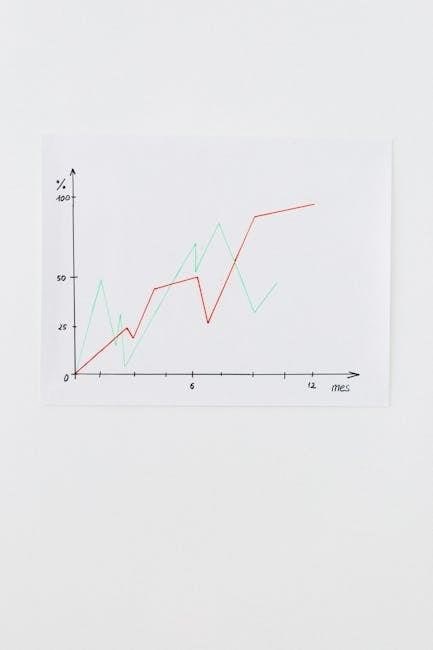
SFA charts‚ particularly in PDF format‚ provide a quantifiable method for tracking semantic gains. Initial and subsequent chart administrations serve as benchmarks‚ visually demonstrating improvements in feature identification. An increase in correctly identified features signifies enhanced semantic representation.
Analyzing the PDF reveals shifts in error patterns. A reduction in errors related to specific features—like ‘animate’ or ‘concrete’—indicates targeted learning. The chart’s matrix format facilitates easy comparison‚ highlighting which semantic features are consolidating and which require continued attention.
Furthermore‚ the SFA chart PDF offers objective data for documentation and reporting. It supports informed clinical decision-making‚ justifying continued therapy or indicating readiness for discharge. Regular assessment with SFA ensures interventions are data-driven and effectively address evolving language needs‚ promoting lasting recovery.

Resources and Further Learning
SFA chart PDF resources‚ research articles‚ and online databases offer deeper insights. Explore examples and studies to enhance understanding and application of this therapeutic technique.
Online Databases for Semantic Feature Information
Locating robust semantic feature information is crucial for constructing effective SFA charts‚ and several online databases can significantly aid this process. While a single‚ dedicated “SFA database” doesn’t currently exist‚ resourceful clinicians and educators leverage existing lexical resources.
WordNet‚ a large lexical database of English‚ provides a wealth of information about word meanings‚ relationships‚ and features – including hyponyms‚ hypernyms‚ and antonyms. This allows for identifying relevant semantic categories. ConceptNet‚ another valuable resource‚ focuses on common-sense knowledge and relationships between concepts‚ offering a broader contextual understanding.
Furthermore‚ various dictionaries and thesauruses (like Merriam-Webster or Thesaurus.com) can be utilized to pinpoint defining characteristics. Researchers often consult linguistic databases and corpora to analyze word usage patterns and identify salient semantic features. Remember to critically evaluate the information sourced‚ ensuring it aligns with the specific needs of the individual and the goals of the SFA intervention. Accessing these resources facilitates the creation of comprehensive and targeted SFA chart PDFs.
Relevant Research Articles on SFA
Exploring the efficacy of Semantic Feature Analysis (SFA) requires delving into relevant research. Numerous studies demonstrate SFA’s positive impact‚ particularly in aphasia rehabilitation. Early work established the foundational principles‚ while contemporary research investigates optimized implementation strategies for SFA chart PDFs.
Key articles explore SFA’s benefits for word retrieval and lexical access in individuals with language impairments. Investigations examine how systematically analyzing semantic features enhances comprehension and strengthens semantic networks. Research also focuses on adapting SFA for diverse populations‚ including those with varying levels of language ability.
Databases like PubMed and Google Scholar are invaluable for locating these studies. Search terms such as “Semantic Feature Analysis‚” “aphasia‚” “lexical retrieval‚” and “word finding” yield pertinent results. Understanding the research base informs best practices when designing and utilizing SFA charts‚ ensuring interventions are evidence-based and maximize therapeutic outcomes. Accessing these articles is vital for creating effective PDF resources.
Example SFA Chart PDFs Available Online
Numerous resources offer downloadable Semantic Feature Analysis (SFA) chart PDFs for practical application and illustrative examples. These readily available materials showcase diverse chart formats and content‚ aiding in understanding the technique’s versatility. Many speech-language pathology websites and educational platforms host sample charts targeting various vocabulary sets.
Searching online using keywords like “SFA chart PDF example‚” “semantic feature analysis worksheet‚” or “language therapy materials” reveals a wealth of options. These PDFs often feature pre-populated charts for common categories (e.g.‚ animals‚ tools) or blank templates for customization. Examining these examples provides insight into structuring charts effectively.
Furthermore‚ professional organizations sometimes provide sample SFA charts as part of training materials or resource libraries. Utilizing these readily accessible PDF examples accelerates learning and facilitates the creation of tailored charts for individual client needs‚ promoting efficient and targeted language intervention.
Dive deep into language with our Semantic Feature Analysis charts! Easily understand PDF content, boost comprehension, & find key insights. Download a free PDF now!